
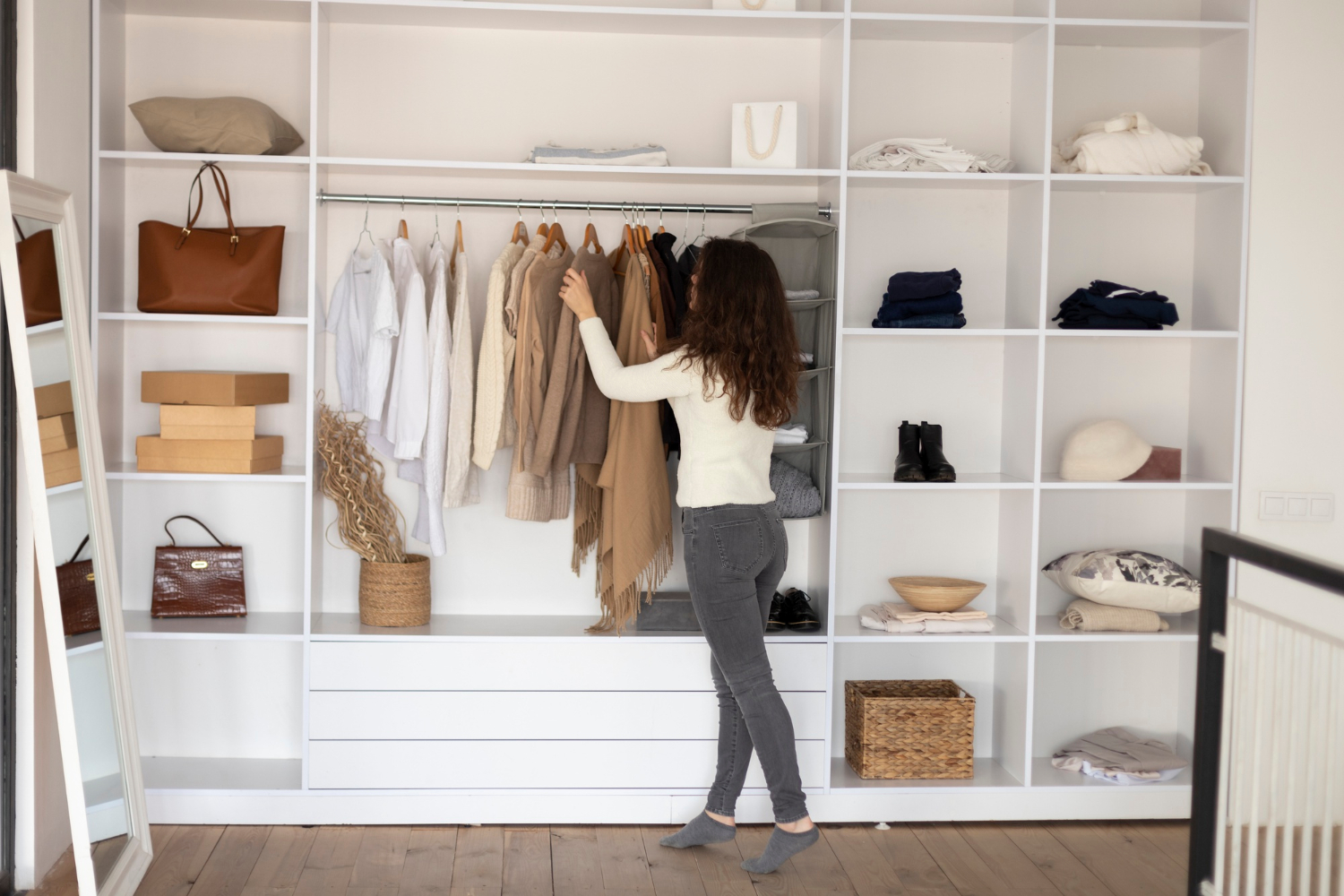
In an era of fast fashion, wardrobe waste has become a pressing concern for both the environment and personal finances. Clothing that is bought impulsively, poorly coordinated, or rarely worn contributes to unnecessary waste and clutter. Fashion planning, however, provides a strategy to make thoughtful, intentional clothing choices that maximize use and minimize excess. By organizing, evaluating, and curating a wardrobe in advance, individuals can reduce unnecessary purchases, extend the life of garments, and support sustainable fashion practices. Understanding how planning affects wardrobe efficiency highlights the practical benefits of deliberate style management.
Thoughtful Purchases and Reduced Impulse Buying
 One of the primary benefits of fashion planning is the ability to make deliberate clothing choices. When a wardrobe plan is in place, purchases are guided by existing gaps and needs rather than fleeting trends. This reduces impulse buying, which often leads to garments that are rarely worn and quickly discarded. By evaluating what is already owned and identifying true necessities, individuals can prioritize quality over quantity. Thoughtful purchases not only save money but also prevent items from becoming part of the growing problem of textile waste. Planning creates intentionality, which directly reduces unnecessary accumulation.
Maximizing Wardrobe Versatility
Fashion planning emphasizes versatility by focusing on items that can be mixed and matched effectively. Coordinating colors, styles, and textures ensures that each piece can be worn in multiple combinations, increasing overall use. Versatile items reduce the need for excess clothing and limit the number of pieces that sit unused in the closet. Capsule wardrobes, seasonal rotations, or curated collections are practical examples of planning strategies that extend the utility of garments. When each purchase is evaluated for its adaptability, wardrobe waste naturally declines because items serve a functional role rather than existing solely as fashion experiments.
Supporting Conscious and Sustainable Choices
Fashion planning aligns well with sustainable and ethical consumer habits. By being intentional about purchases, individuals can prioritize brands that produce responsibly, avoid overproduction, and select materials with lower environmental impact. Planning allows time to research and compare products rather than making reactive decisions that often favor fast fashion. Conscious purchasing decisions, combined with thoughtful wardrobe management, reduce the environmental footprint of clothing production, disposal, and transportation.
Extending Garment Lifespan
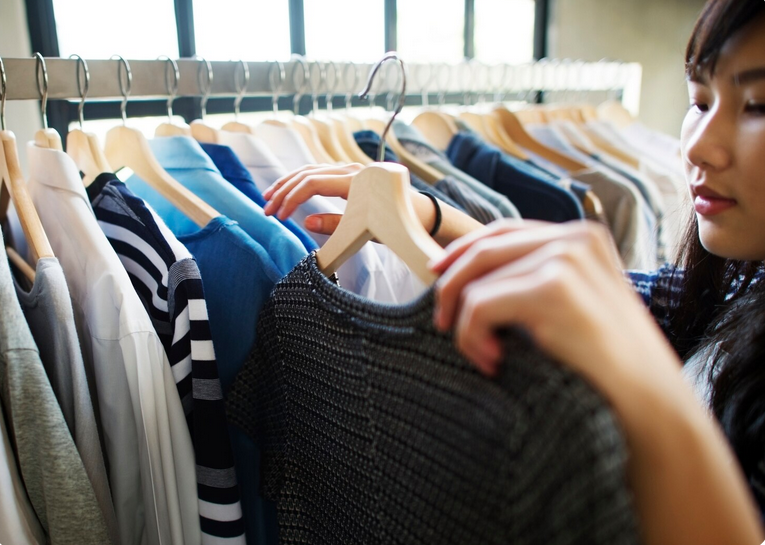
Planning also encourages attention to garment care, which extends the life of clothing. By strategically organizing wardrobes and rotating usage, fabrics experience less wear and tear. Understanding which items require special care or should be reserved for specific occasions helps prevent premature damage. This thoughtful approach reduces the rate at which garments are discarded due to fading, fraying, or loss of shape. Extending the lifespan of clothing through planning reduces overall consumption and supports a more sustainable fashion approach.
Fashion planning is a powerful tool for reducing wardrobe waste. It encourages thoughtful purchasing, maximizes versatility, extends garment lifespan, and supports sustainable choices. By incorporating planning into everyday style routines, individuals can create efficient, purposeful wardrobes that meet personal needs without contributing to unnecessary consumption. Beyond environmental benefits, planning also enhances satisfaction with …

 Regarding style, fit and proportion are critical in how you look and feel in your clothes. Ignoring these factors can lead to an unflattering appearance that can dampen your confidence. Therefore, it’s essential to pay close attention to how your clothes fit your body and whether or not it’s in good proportion to your figure. This means avoiding clothing that is either too tight or too loose, as well as ensuring that the length and width of your garments hug your curves in all the right places.
 In the fashion world, a longstanding debate has been about whether matching your clothing items is the key to a well-put-together outfit. However, the truth is that going too matchy-matchy can end up making your look appear too cohesive and uninteresting. Mixing colors and fabrics, on the other hand, can create a more dynamic and visually intriguing outfit. Rather than trying to match every accessory and garment, experiment with different combinations of items that complement each other in subtle and unexpected ways. …